
Honoring the people, knowledge, and labor behind America's food and drink
The history of American food and drink is inseparable from the lives and labor of enslaved people. From cultivating crops and tending gardens to preparing meals, preserving food, and producing beverages, their knowledge and skills helped shape the nation's agricultural and culinary traditions. Yet the individuals behind these contributions have too often been left out of the stories we tell.
Generations of enslaved Africans and African Americans sustained households, farms, plantations, and businesses throughout colonial America and the early United States. Their contributions were fundamental to the country's development, even as slavery denied them freedom, autonomy, and the rewards of their labor.
Their stories offer a fuller understanding of American history—one that recognizes not only what enslaved people were forced to produce, but also the knowledge, ingenuity, and cultural traditions they carried, developed, and passed down through generations.
Cultivating America
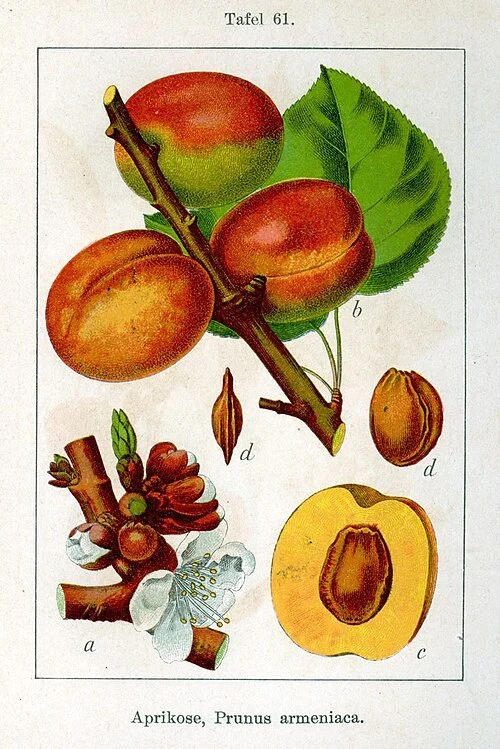
American apricot (Sturm, 1796). Fruits such as these were part of the agricultural and culinary traditions of early America, connecting orchards and gardens to kitchens, food preservation, and beverage production.
Agriculture was fundamental to the development of early America, and enslaved people were central to its expansion.
Across the colonies and early United States, enslaved workers cultivated tobacco, rice, indigo, wheat, corn, and other crops. They possessed agricultural knowledge and skills, including expertise rooted in West African farming traditions, that contributed to the development of regional economies and food cultures.
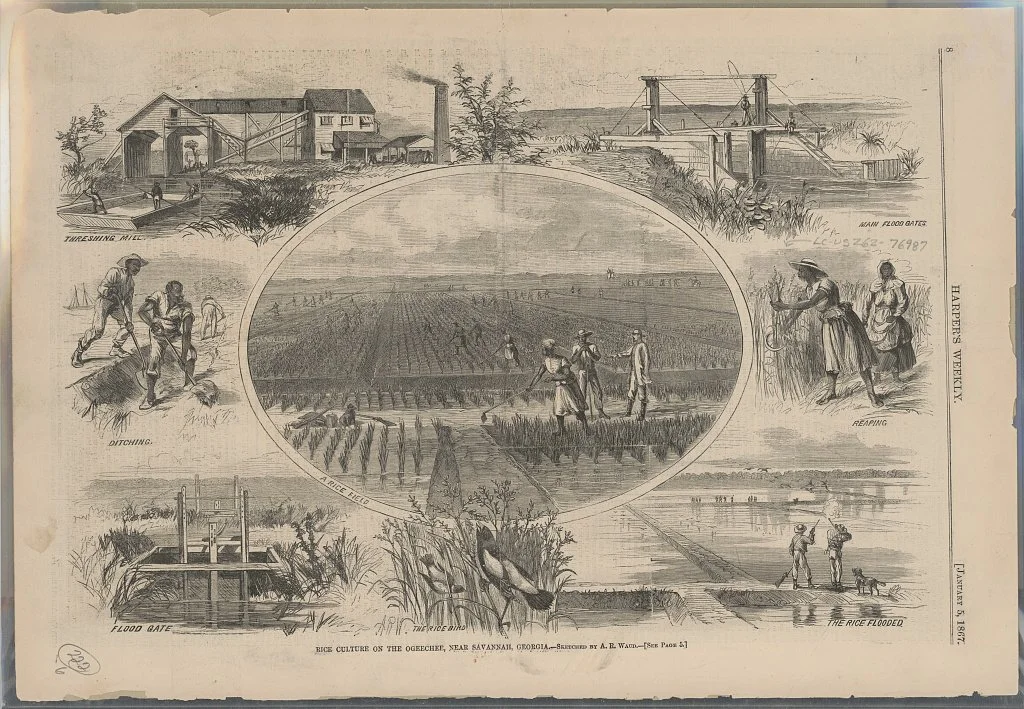
Rice cultivation in the American South offers a particularly revealing example. Enslaved Africans and their descendants contributed specialized knowledge of growing, harvesting, and processing rice, helping establish an industry that generated enormous wealth for plantation owners.
Beyond the fields, enslaved people also tended gardens and orchards that supplied households with fresh produce. Apples, peaches, pears, and apricots were among the fruits cultivated on eighteenth-century Virginia estates, while native persimmons were gathered and enjoyed as seasonal food. These ingredients connected agriculture to the kitchens where fruits were prepared, preserved, and transformed into foods and beverages.
Yet the people responsible for much of this work rarely received recognition for their expertise or the economic value they created.
The Knowledge Behind the Kitchen
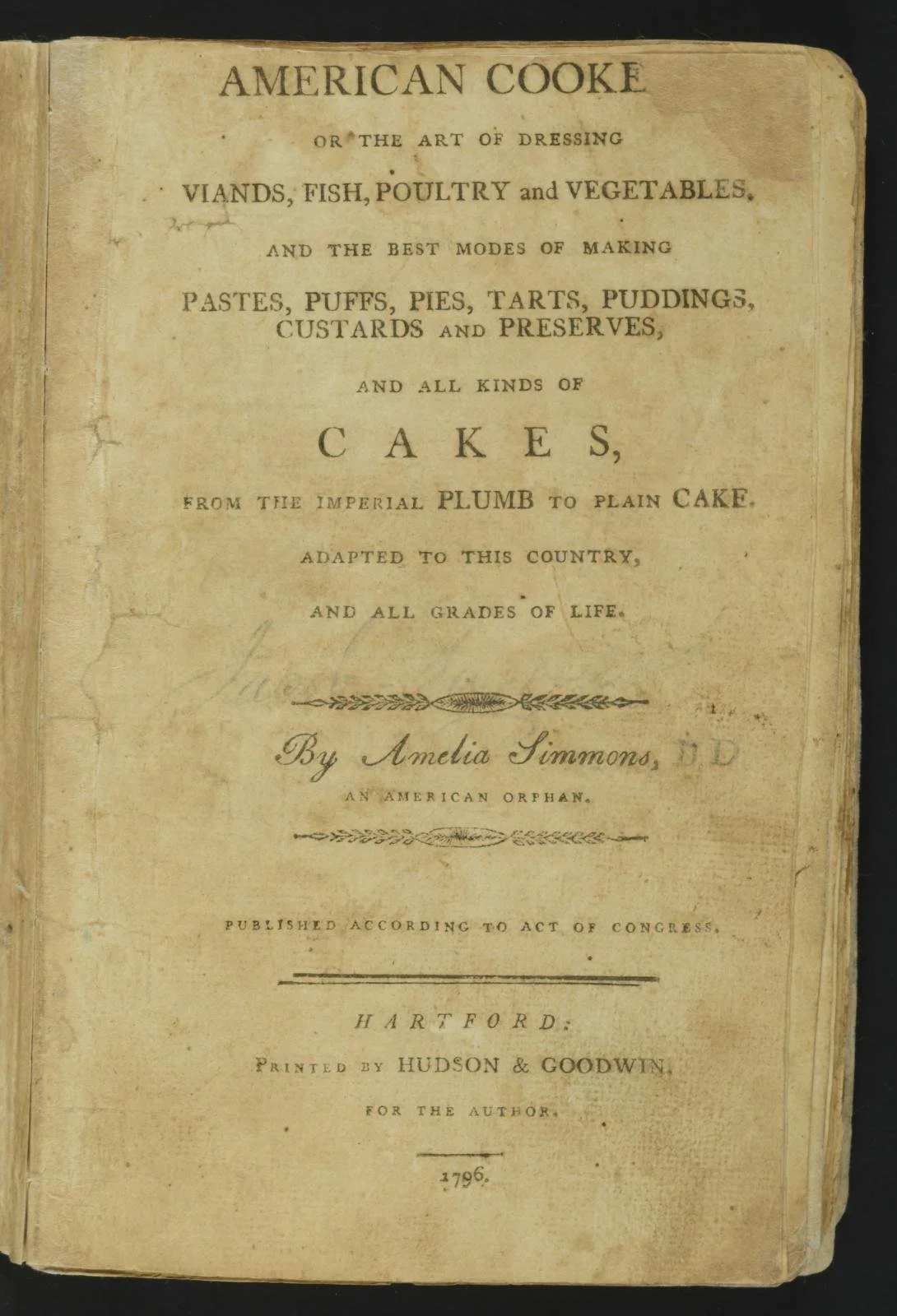
Amelia Simmons's American Cookery (1796), the first cookbook of American authorship published in the United States. Such recipes illustrate the specialized knowledge of ingredients, cooking, and preservation required in early American kitchens—work often performed by enslaved cooks whose contributions went uncredited. Library of Congress.
Food was more than sustenance in early America. It reflected culture, geography, tradition, and the exchange of knowledge.
Enslaved cooks worked in kitchens ranging from modest households to large plantations. Their responsibilities extended beyond preparing meals to preserving fruits and vegetables, tending kitchen gardens, managing provisions, and preparing food for families, workers, and guests.
Drawing on African food traditions, local ingredients, and European cooking practices, enslaved cooks and their descendants contributed to the development of distinctly American culinary traditions.
Cookbooks such as Amelia Simmons's American Cookery, published in 1796, offer a glimpse into the ingredients, recipes, and techniques of the period. Yet these written records tell only part of the story. While authors and household owners often received recognition, the enslaved cooks who prepared meals, refined techniques, and passed down culinary knowledge frequently remained unnamed.
Their work required creativity, technical skill, and an understanding of ingredients and preservation methods. Recognizing their contributions offers a fuller picture of the people and traditions that helped shape American food culture.
Brewing in Early America
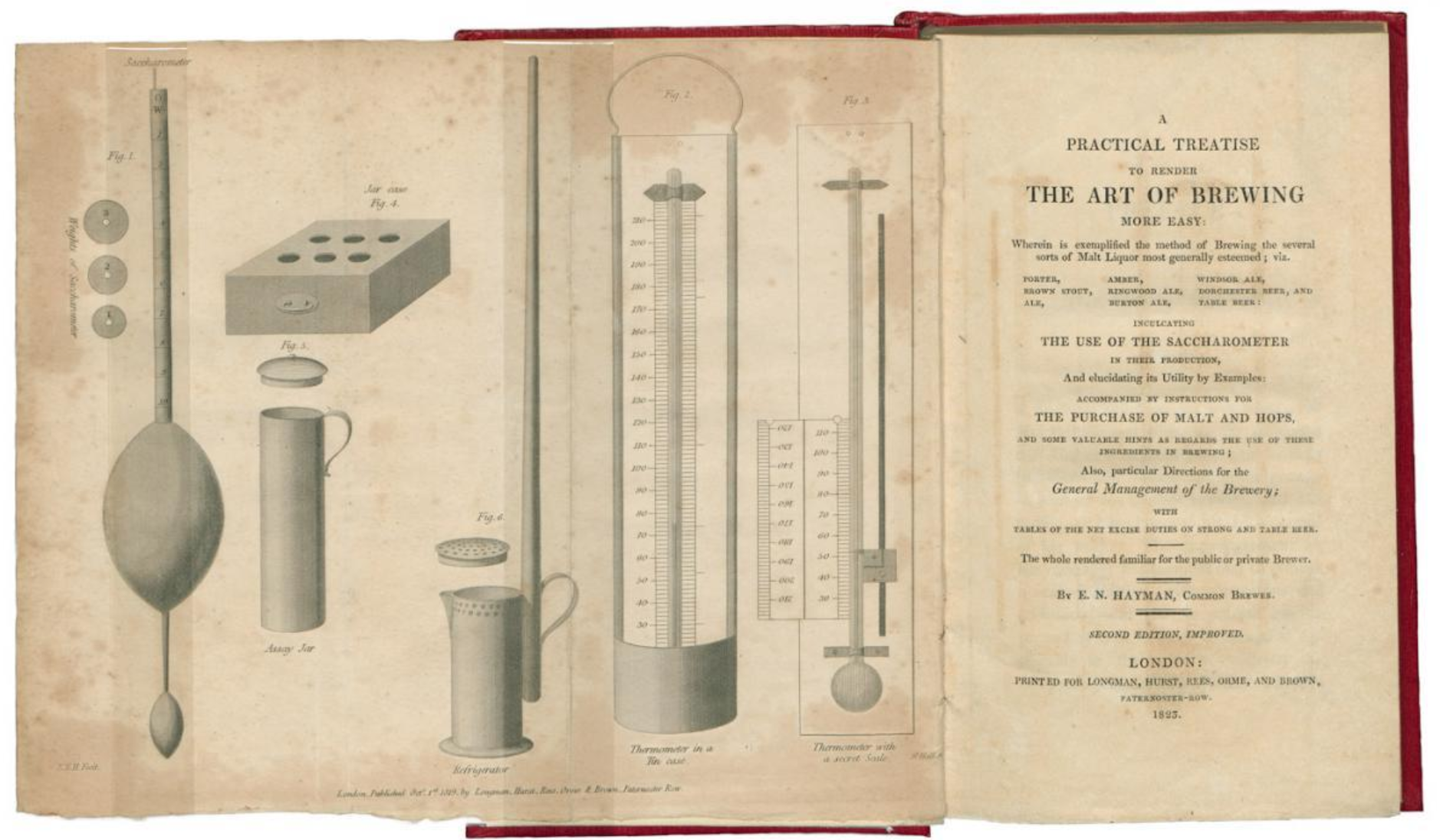
The American Practical Brewer and Tanner (1815), by Joseph Coppinger. This early American brewing manual described techniques for malting corn, a process successfully practiced at Monticello during Peter Hemings's tenure as its enslaved master brewer.
Beer was part of everyday life in colonial America, produced in households, taverns, and commercial establishments. Brewing required agricultural ingredients, specialized equipment, and knowledge of fermentation, making it closely connected to farming, food preparation, and domestic labor.
Enslaved people contributed to this work in numerous ways. They cultivated and processed grains, maintained equipment, gathered ingredients, and, in documented cases, brewed beer themselves. Some developed specialized brewing skills, while others performed the essential agricultural and household labor that made beer production possible.
One such individual was Peter Hemings, an enslaved cook and master brewer at Thomas Jefferson's Monticello. Trained in brewing and malting in 1813, Hemings became responsible for the estate's beer production and was recognized for his exceptional skill and expertise. His story offers a rare documented example of an enslaved African American whose contributions to early American brewing can be traced by name.
Yet historical accounts of early American brewing have traditionally emphasized prominent landowners, tavernkeepers, and entrepreneurs, leaving the contributions of enslaved workers less visible. Recognizing their involvement expands our understanding of who participated in shaping America's brewing traditions.
Distilling and the Production of Spirits
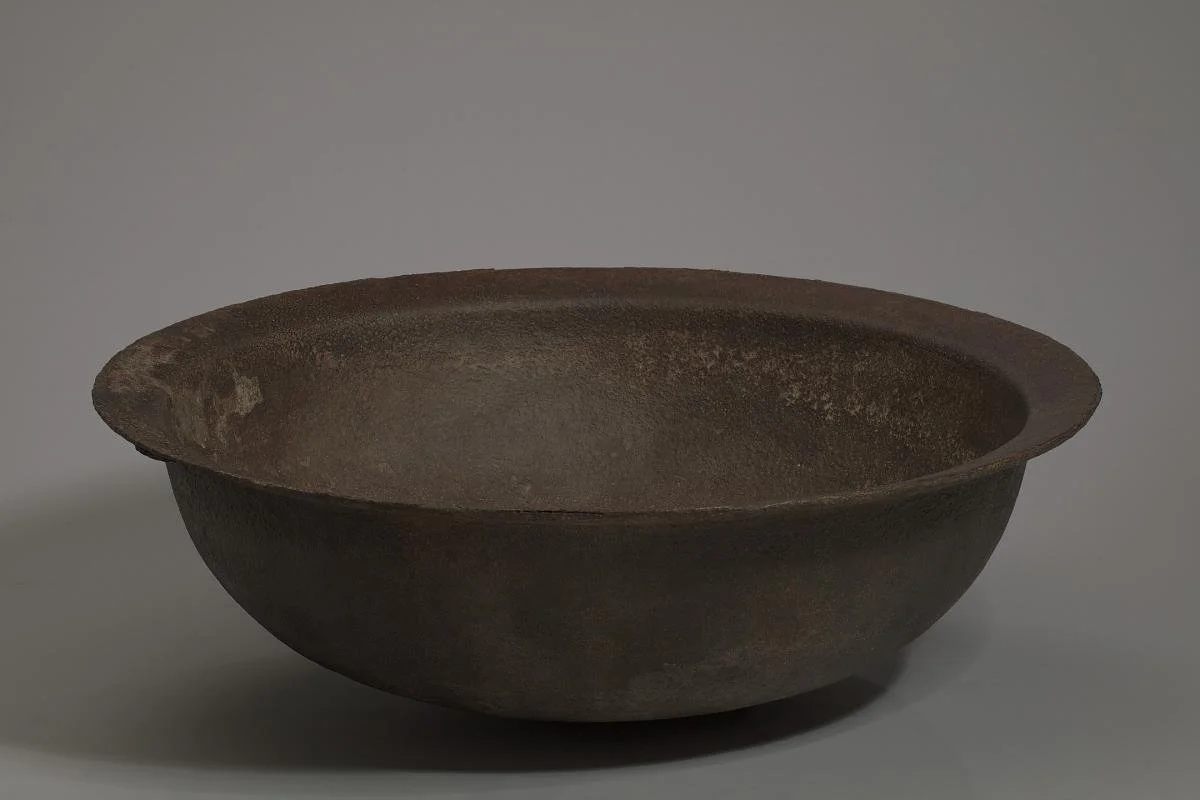
A large, round cast iron sugar kettle with a flat lip. 18th-20th century. Collection of the Smithsonian National Museum of African American History and Culture.
Distilling was another important part of early American agriculture and commerce. Rum, whiskey, brandy, and other spirits were produced from ingredients including molasses, grains, and fruit, connecting distilleries to farms, plantations, trade networks, and regional economies.
Enslaved workers contributed to nearly every stage of this process, from cultivating and processing raw ingredients to operating equipment and producing finished spirits. Some became highly skilled distillers, developing technical expertise in fermentation, heating, and the careful management of distillation equipment.
The production of spirits generated significant wealth for landowners and merchants, while the enslaved people whose labor supported these enterprises were denied the economic benefits of their work. Their contributions form an essential, though often overlooked, chapter in the history of American distilling.
One particularly revealing example is Nathan “Nearest” Green, an enslaved distiller in nineteenth-century Tennessee who helped teach Jack Daniel the craft of whiskey making. Green's expertise in charcoal filtration became part of the tradition associated with Tennessee whiskey. Following emancipation, he continued working as a distiller and is recognized as one of America's earliest known Black master distillers.
The Smithsonian's National Museum of African American History and Culture explores Green's story and the broader contributions of Black Americans to spirits production in its article, Spirits and Wine: African Americans in Distillery. The research offers a fuller understanding of the people whose knowledge and labor helped shape an industry that continues to influence American culture today.
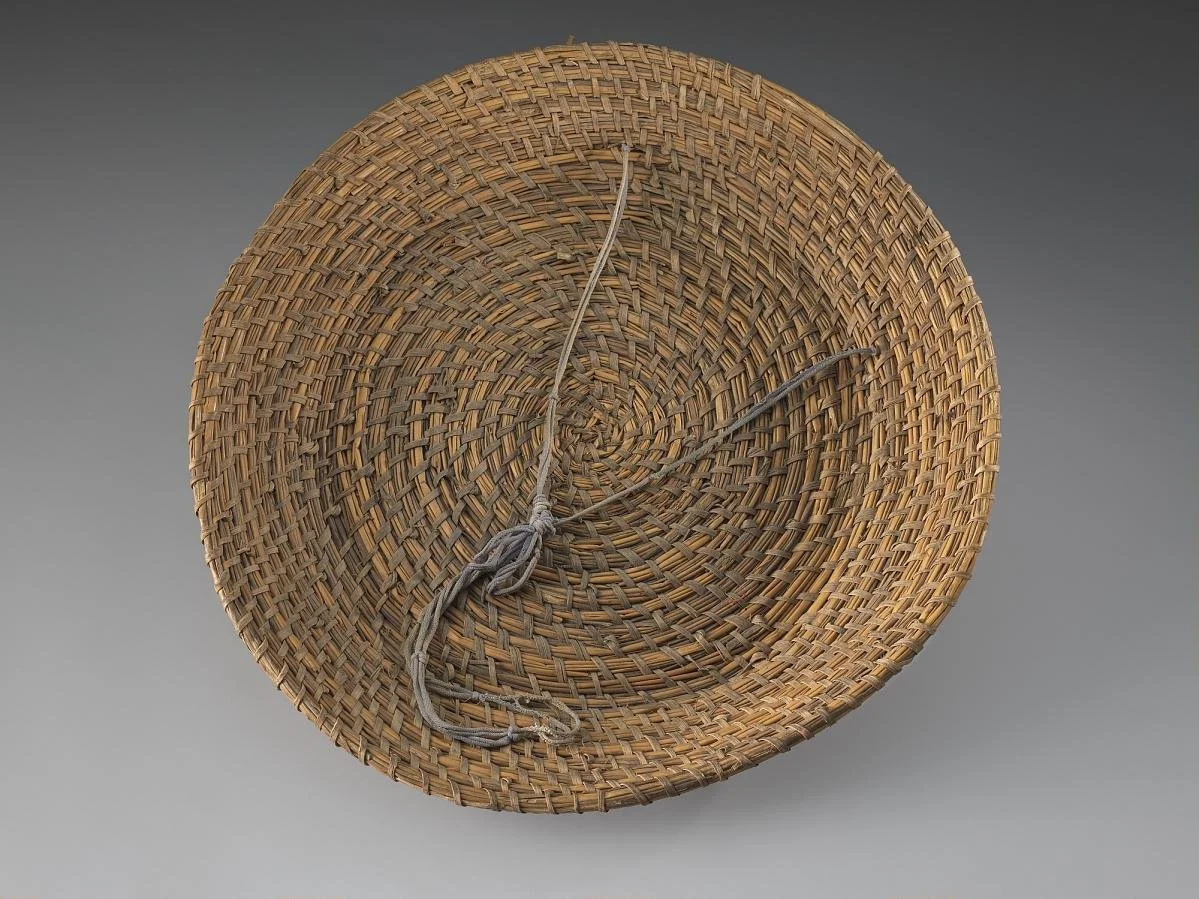
A rice fanner basket identified as being made by an enslaved person on the South Carolina coast. The large shallow, round tray shaped basket is made of reeds, rush and palmetto coiled and woven together. A faded purple string is woven through the basket on one side and knotted inside the basket. Before 1863. Collection of the Smithsonian National Museum of African American History and Culture.
Remembering the People Behind the History
The legacy of enslaved people in America cannot be measured only by the labor they performed. They were individuals with families, communities, cultural traditions, knowledge, and identities that extended far beyond the work forced upon them.
Their descendants have also played an essential role in preserving family histories, challenging incomplete narratives, and ensuring that these stories are remembered.
Recognizing these contributions invites us to consider a more complete account of the nation's past—one that acknowledges the realities of slavery while honoring the humanity, expertise, and enduring cultural influence of those who lived through it.
At the Beer Culture Center, we believe that food and drink offer powerful ways to explore these histories. A single ingredient, recipe, or beverage can reveal connections between people, places, cultures, and generations.