Reclaiming the Hidden History of Early American Beer
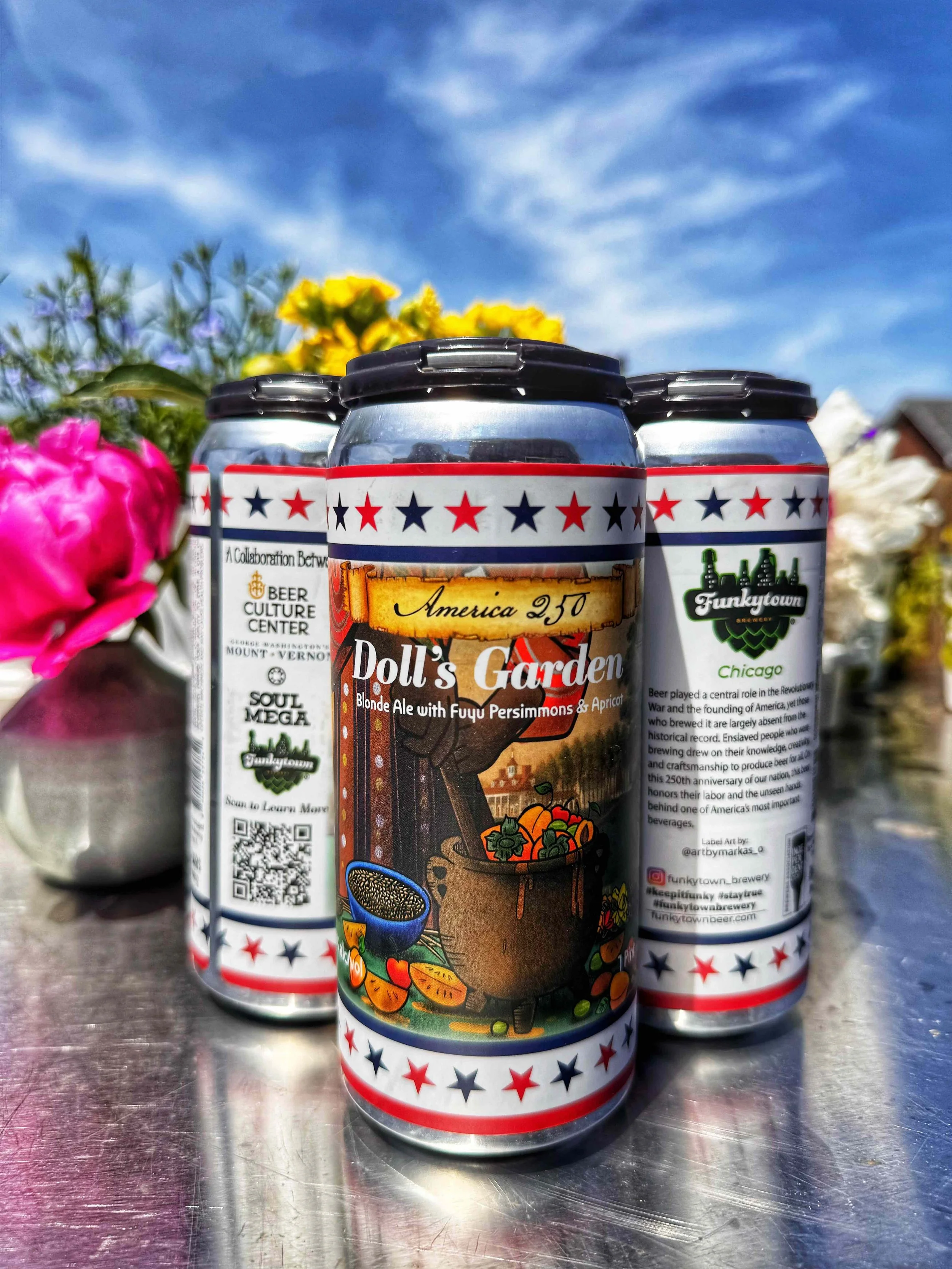
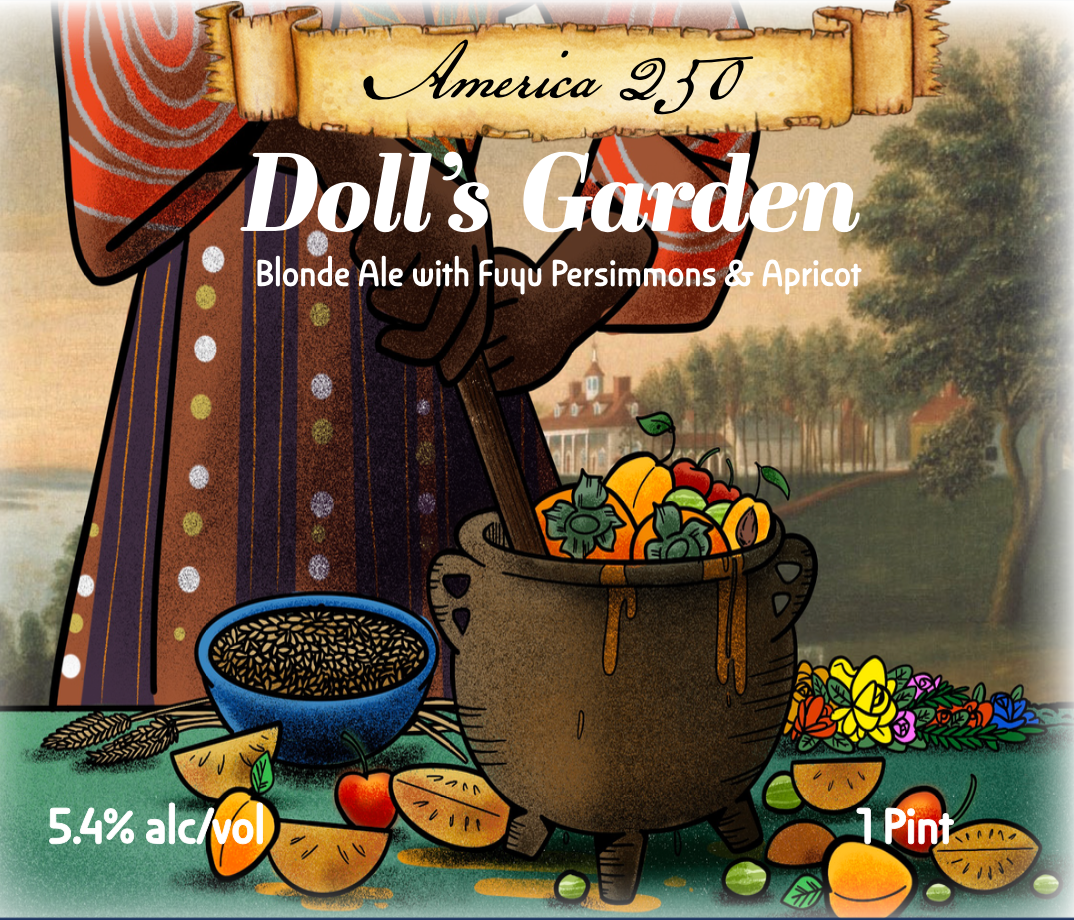
Doll’s Garden is named in honor of Doll, an enslaved cook at Mount Vernon during the mid to late 18th century. Made with persimmons and apricots, two fruits grown at Mount Vernon, It also honors the countless other enslaved workers who directly and indirectly contributed to the production of food and beverage in early colonial America.
This beer is rooted in a history that has too often been overlooked.
From the colonial period through the early republic, Black brewers, agricultural workers, cooks, and craftspeople played a central role in shaping American beer culture. Their knowledge of fermentation, preservation, ingredients, and technique was essential. Yet their contributions were rarely recorded with the same care as the people they labored for. What survives instead are fragments: letters, receipts, archaeological remains, and brief mentions in account books. Taken together, they tell a different story of American brewing, one built on skill, endurance, and uncredited expertise.
This cultural collaborative beer release, presented by the Beer Culture Center in partnership with George Washington’s Mount Vernon and brewed from Black owned breweries Funkytown Brewery in Chicago and Soul Mega in Washington, DC, is an attempt to bring that history forward. It is not a recreation of a single recipe, but a reconstruction of context grounded in ingredients, evidence, and the lives of people whose labor made early American beer possible.
DOLL
Doll was thirty-eight years old when she arrived at Mount Vernon in 1759. Doll and her children were among the more than 80 enslaved people whom Martha Dandridge Custis brought to her marriage to George Washington, as part of her “dower” or widow’s share of her first husband’s estate.
As the estate’s cook for many years, Doll worked long hours in the kitchen preparing the hoecakes, smoked hams, and other Washington family favorites. It is likely that Martha Washington installed Doll as cook because she was familiar with the enslaved woman’s skills. Mount Vernon’s steady stream of visitors meant that Doll frequently had to prepare large and elaborate meals. She would have worked closely with Martha to plan each day’s menu and monitor ingredients. Though under Martha's occasional surveillance, the kitchen was Doll’s domain. She passed on her expertise to her daughter Lucy, who succeeded her mother as one of the estate’s cooks.
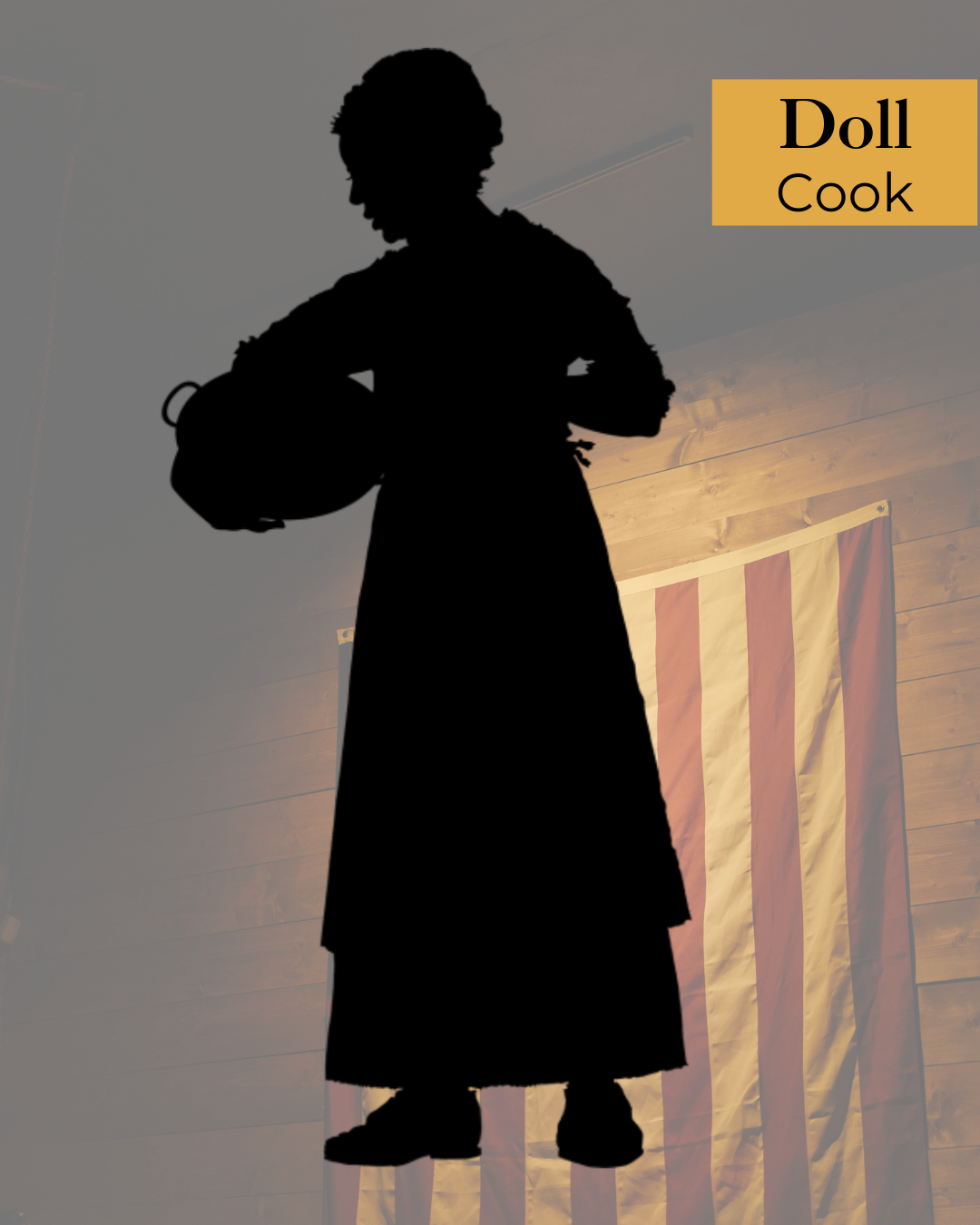
There are no records of Doll’s appearance. But as a cook, Doll likely wore simpler, cheaper versions of the gowns the Washington women wore, made of linen or calico rather than silk. Her gowns were ankle-length for freedom of movement. Like other female household workers, she likely wore an apron over her dress, a cap, stockings, and shoes with buckles.
By the 1780s, Doll no longer had a formal work assignment. Then in her sixties, she likely assisted with knitting and mending, tasks that Washington often assigned to elderly enslaved workers. She continued to use the kitchen to distill rose and mint water for medicinal purposes and to dry fruits such as cherries.
Learn more about Doll from our friends at George Washington’s Mount Vernon