
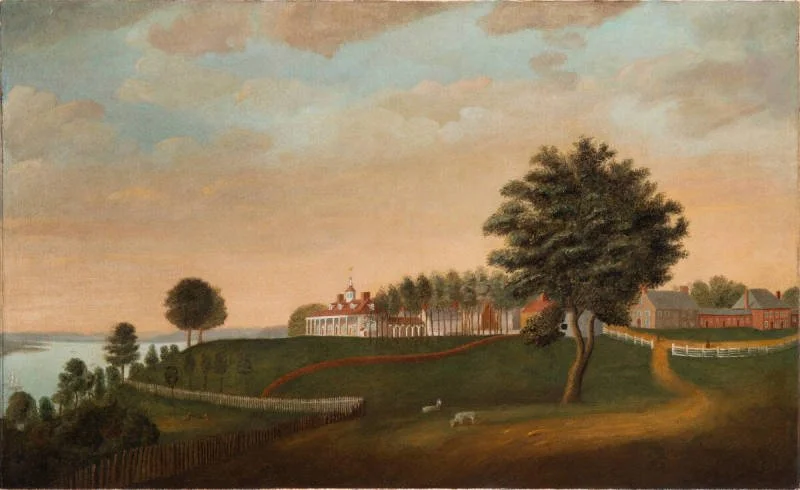
Many Hands Behind the Beer
At the time of George Washington's death in 1799, more than 300 enslaved people lived and labored at Mount Vernon, forming a complex community of farmers, gardeners, cooks, coopers, domestic workers, artisans, and skilled tradespeople. Their labor and expertise sustained the estate and shaped daily life.
Beer was not made by brewers alone. From cultivating ingredients and tending orchards to preparing meals, crafting barrels, and serving food and drink, countless hands contributed to the agricultural and culinary systems that made brewing possible. While history preserved the names of owners and political leaders, the people whose labor sustained these traditions were too often left unnamed.
The individuals featured below offer a glimpse into the lives, labor, and humanity of some of the men and women whose work helped shape Mount Vernon, early American brewing, and the nation itself.
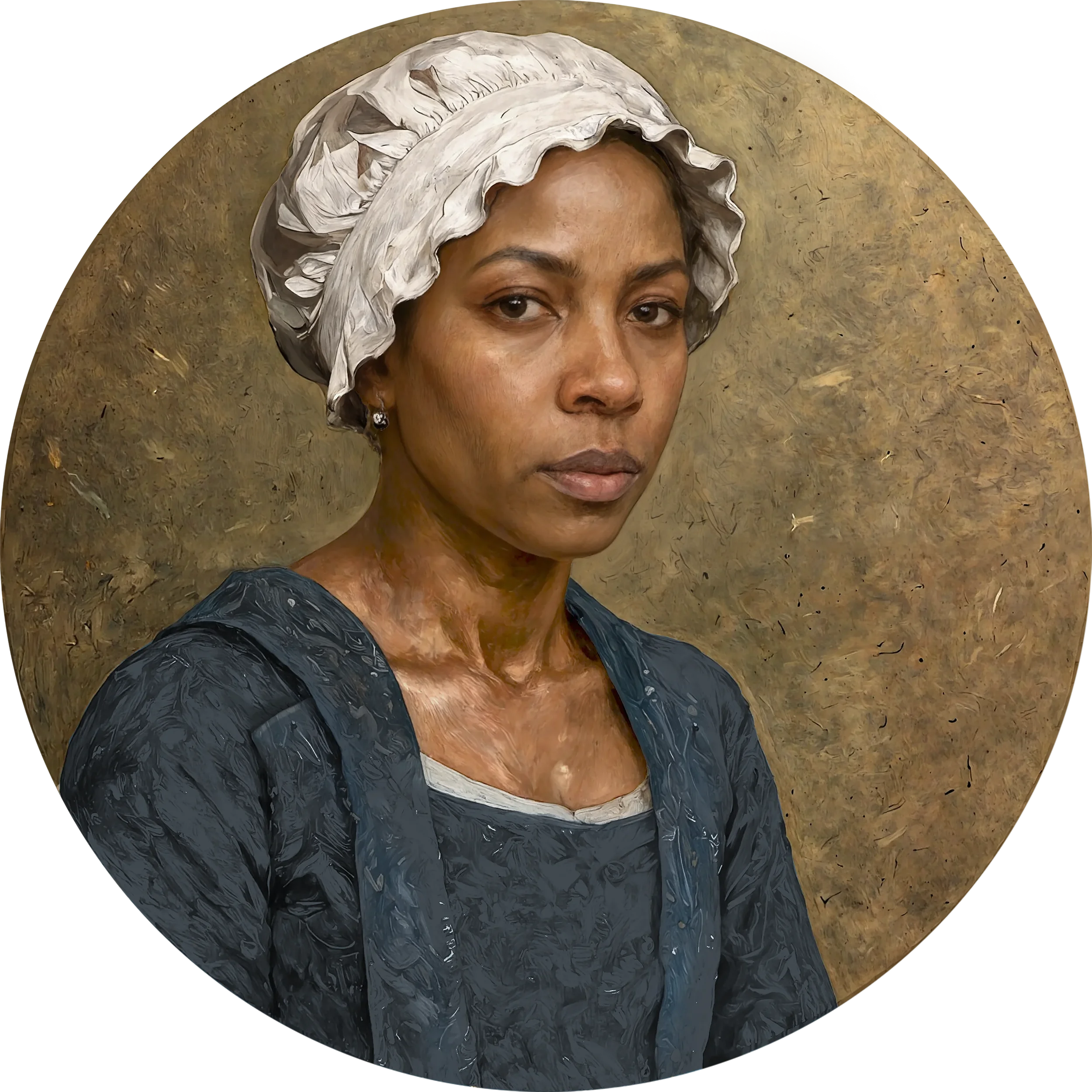
Caroline Branham, Housemaid
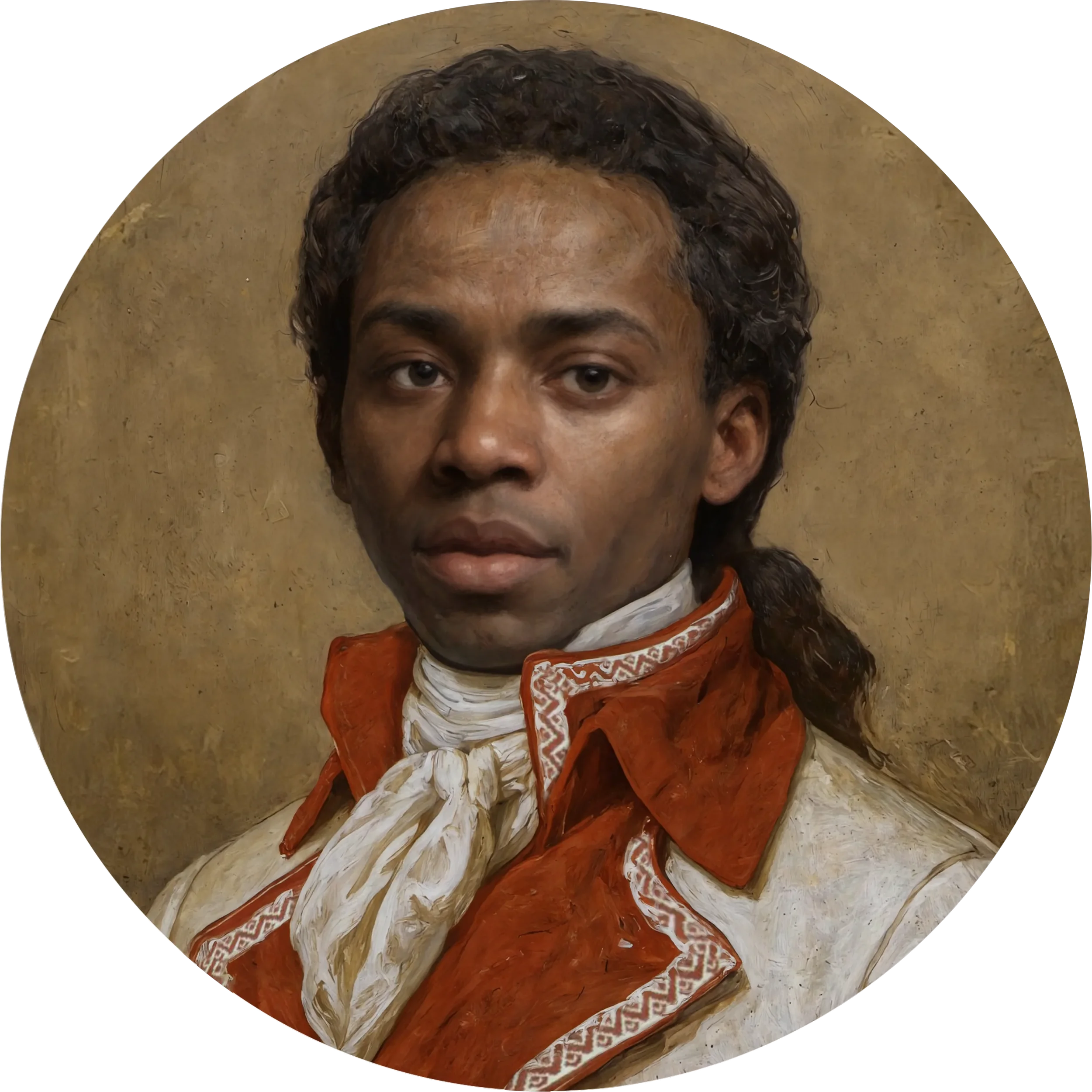
Christopher Sheels, Waiter
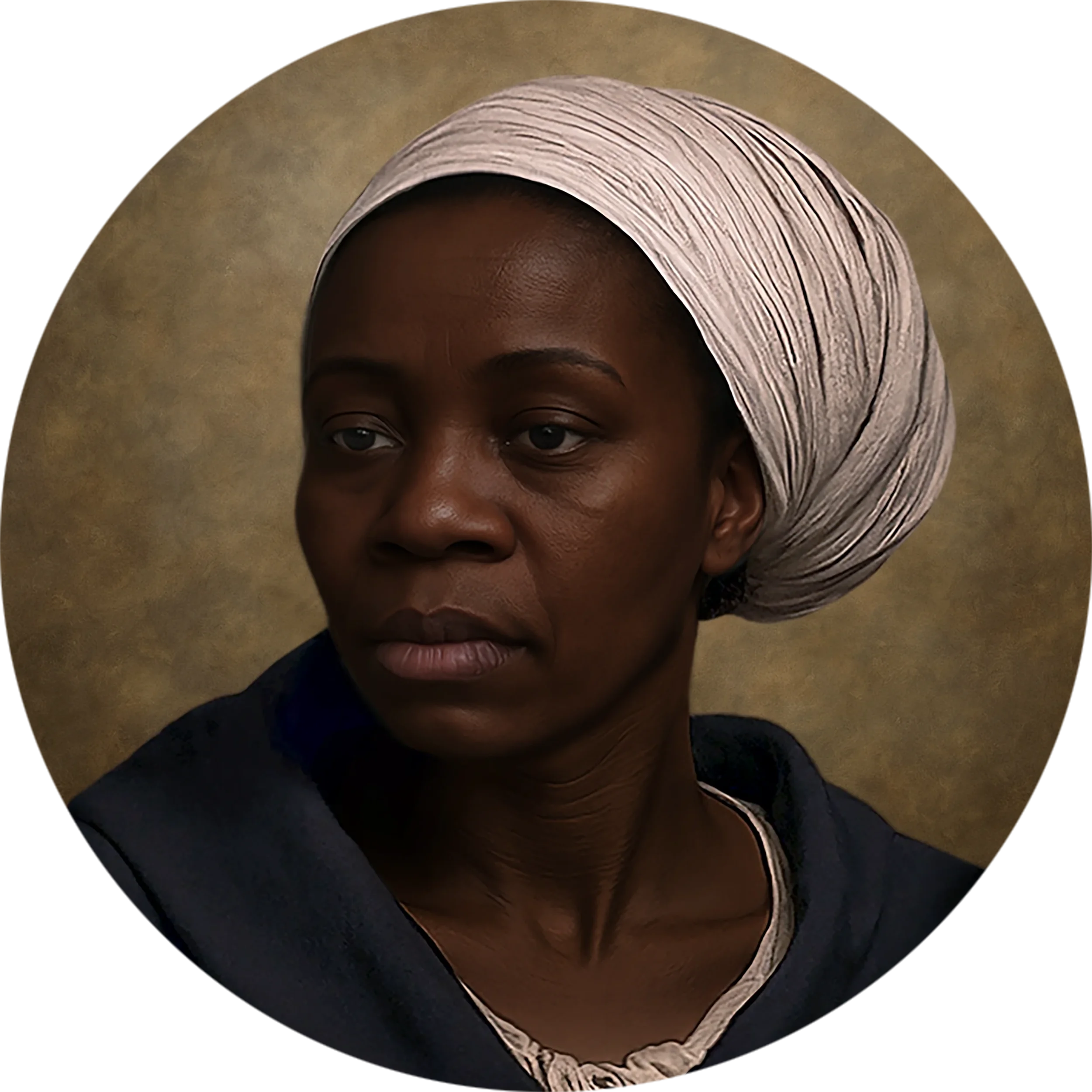
Daphne, Field Worker
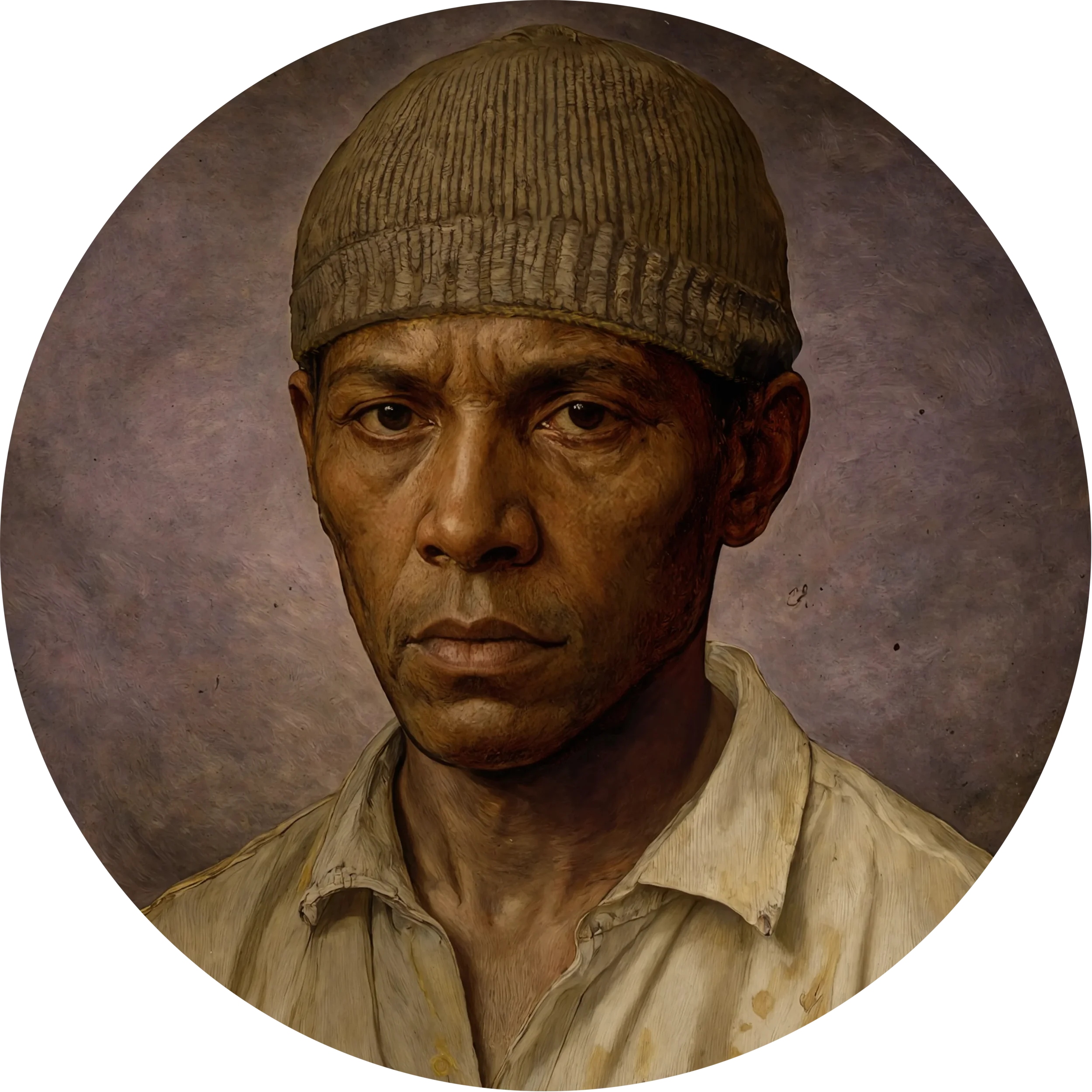
Davy Gray, Overseer
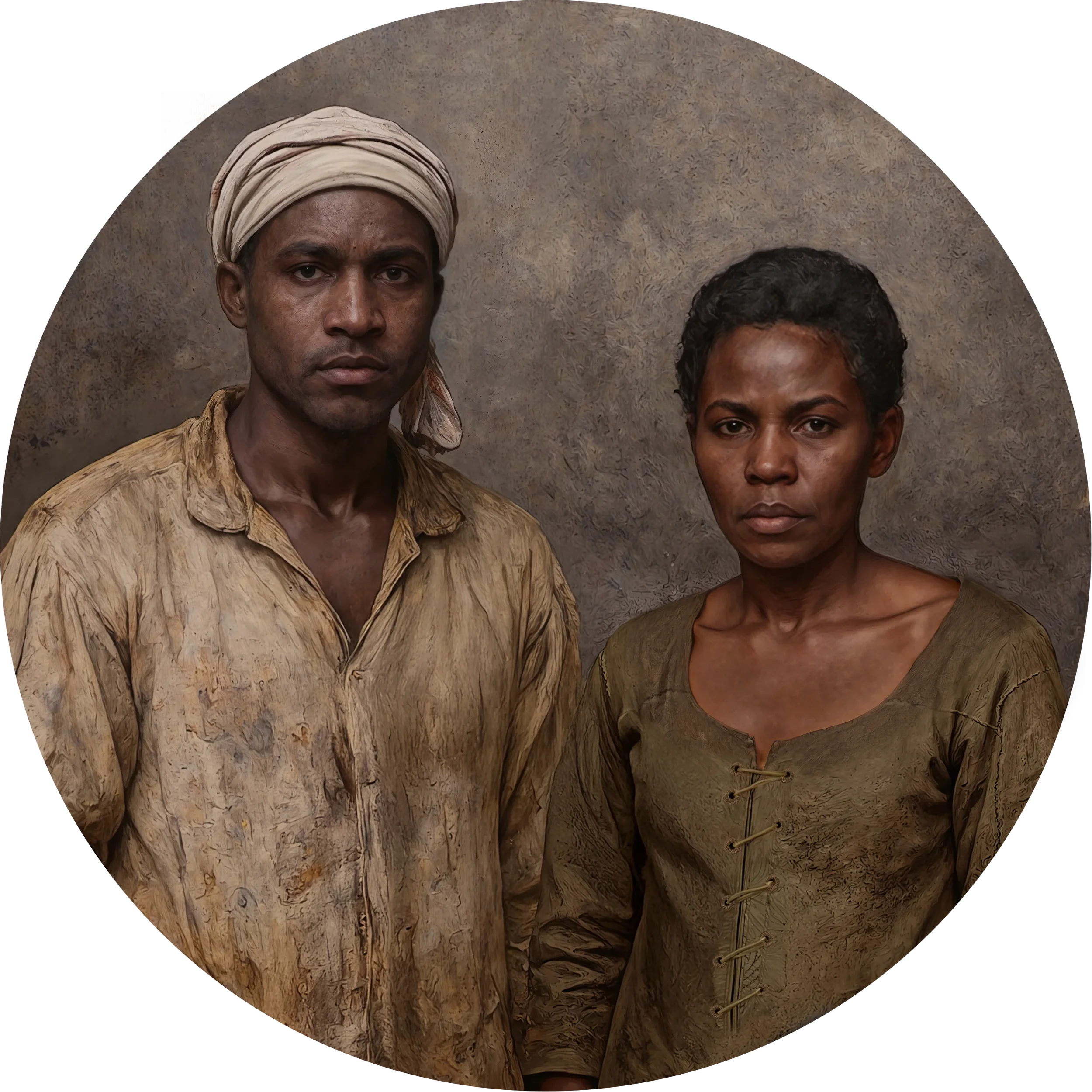
Dick & Charity, Field Hands
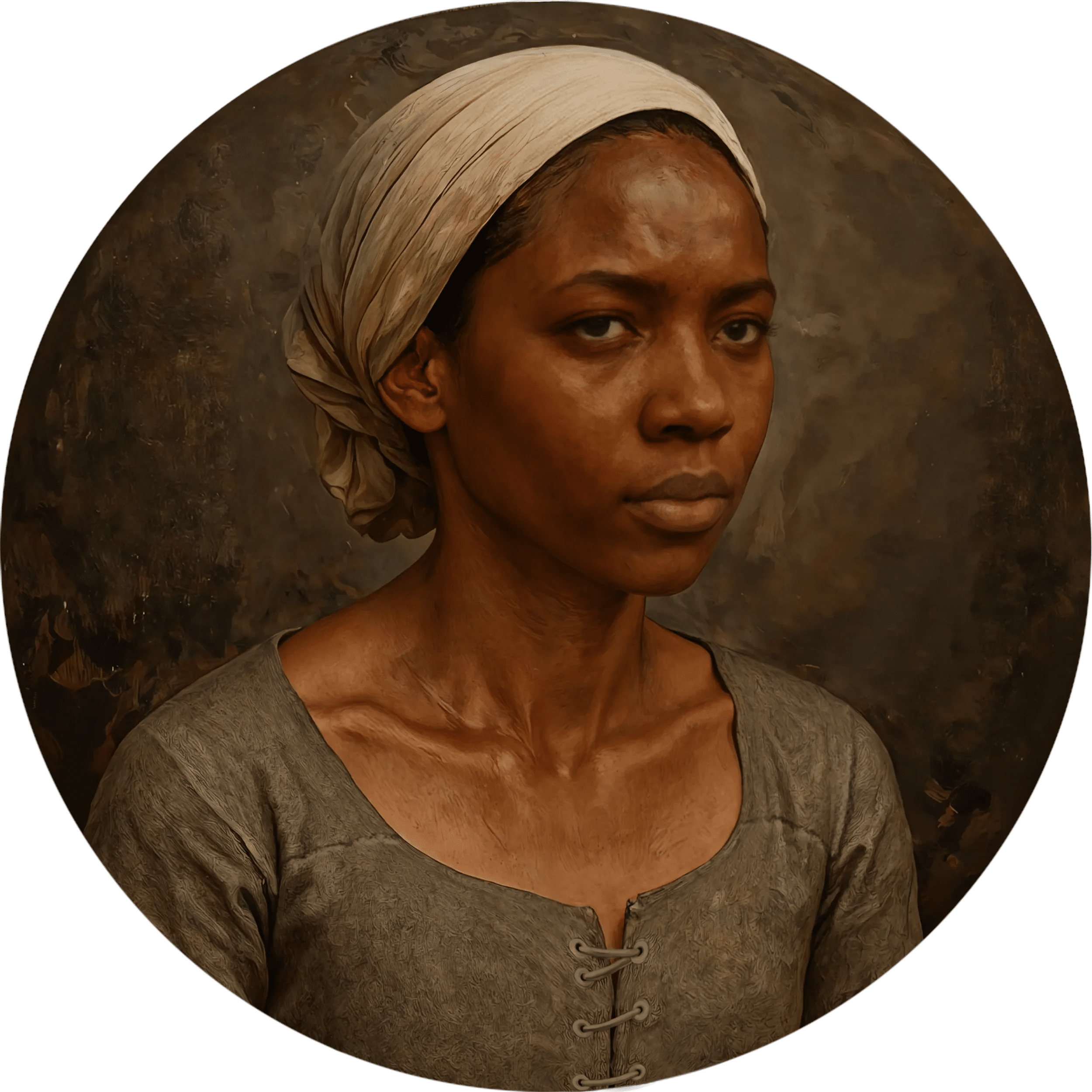
Edy Jones, Plower
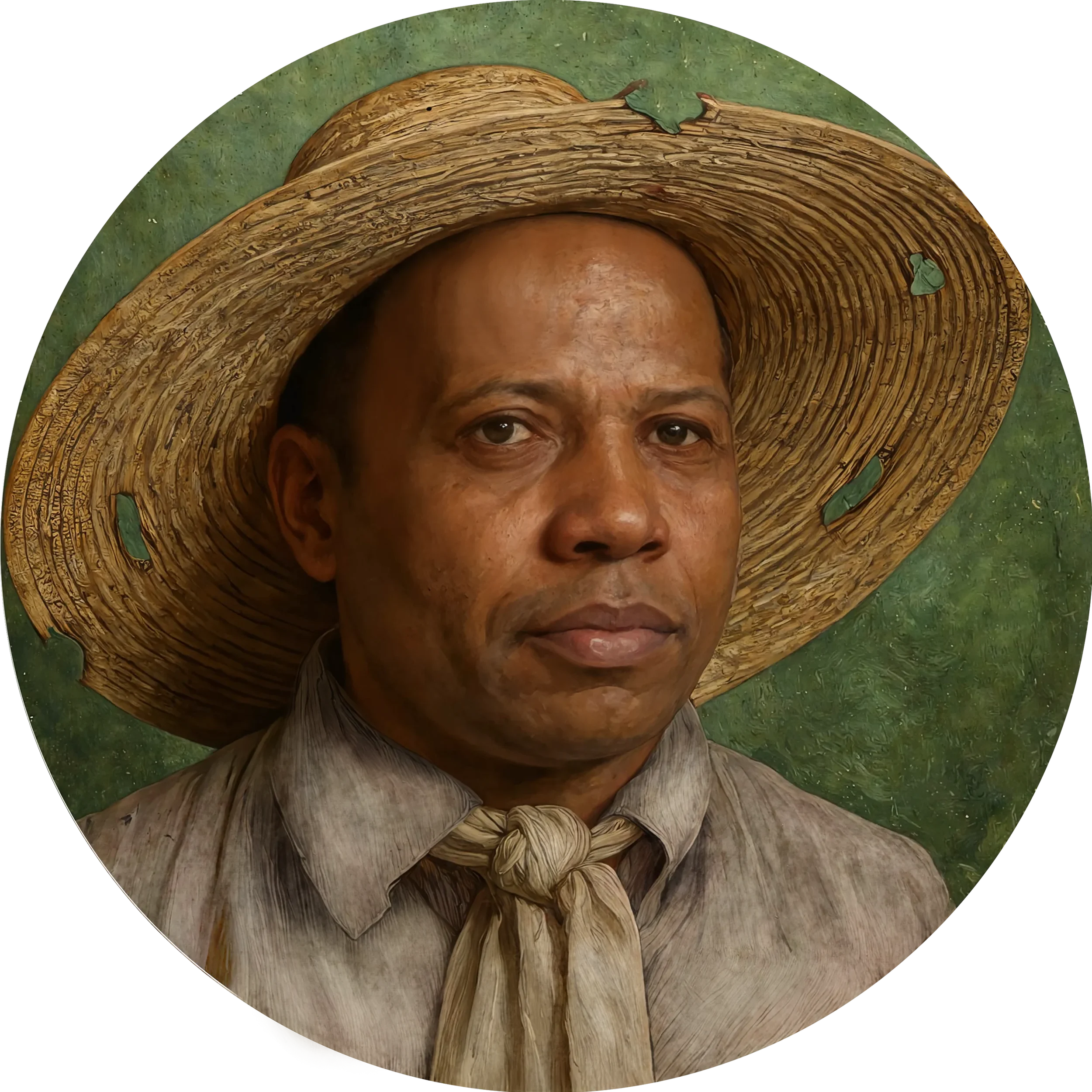
George, Gardener
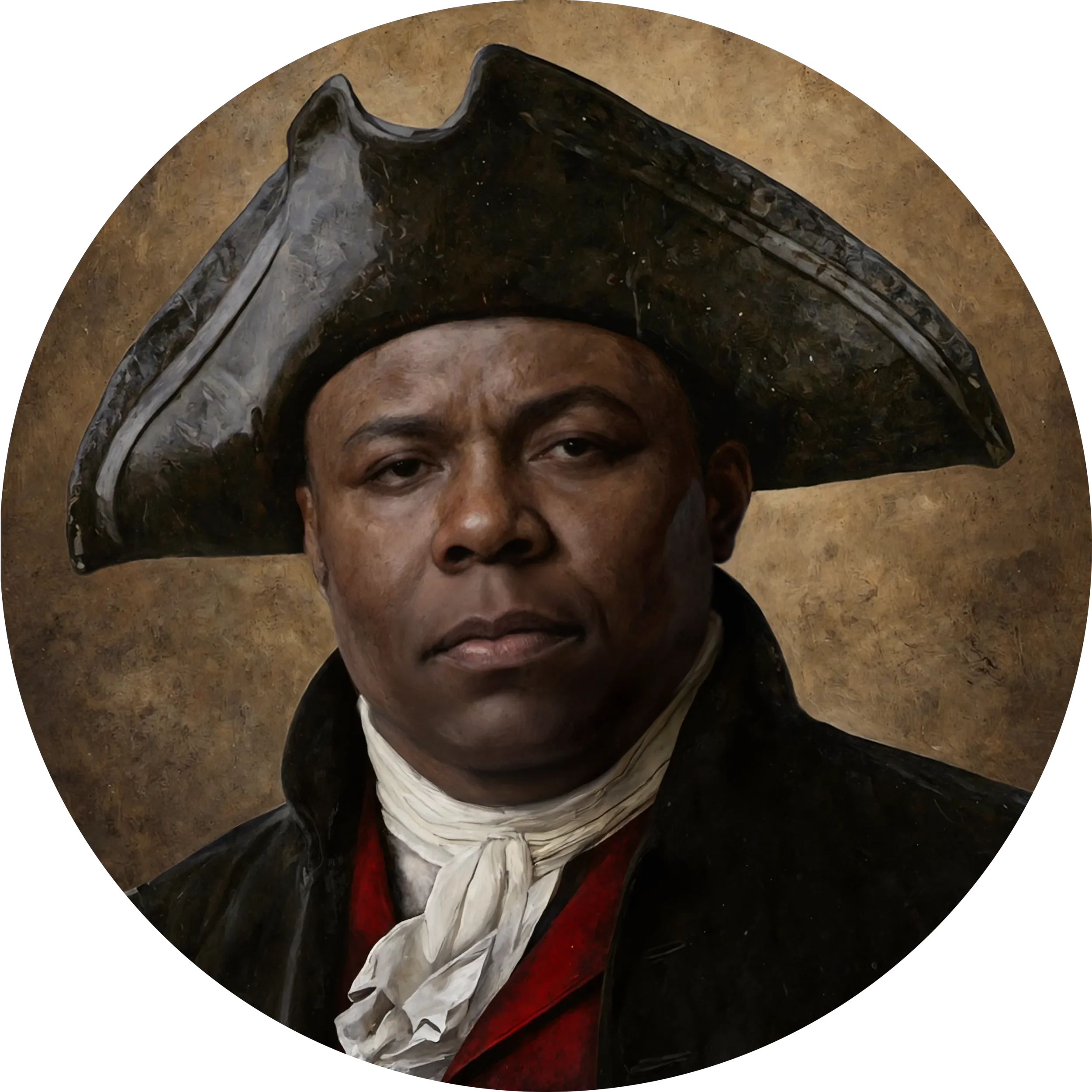
Hercules Posey, Cook
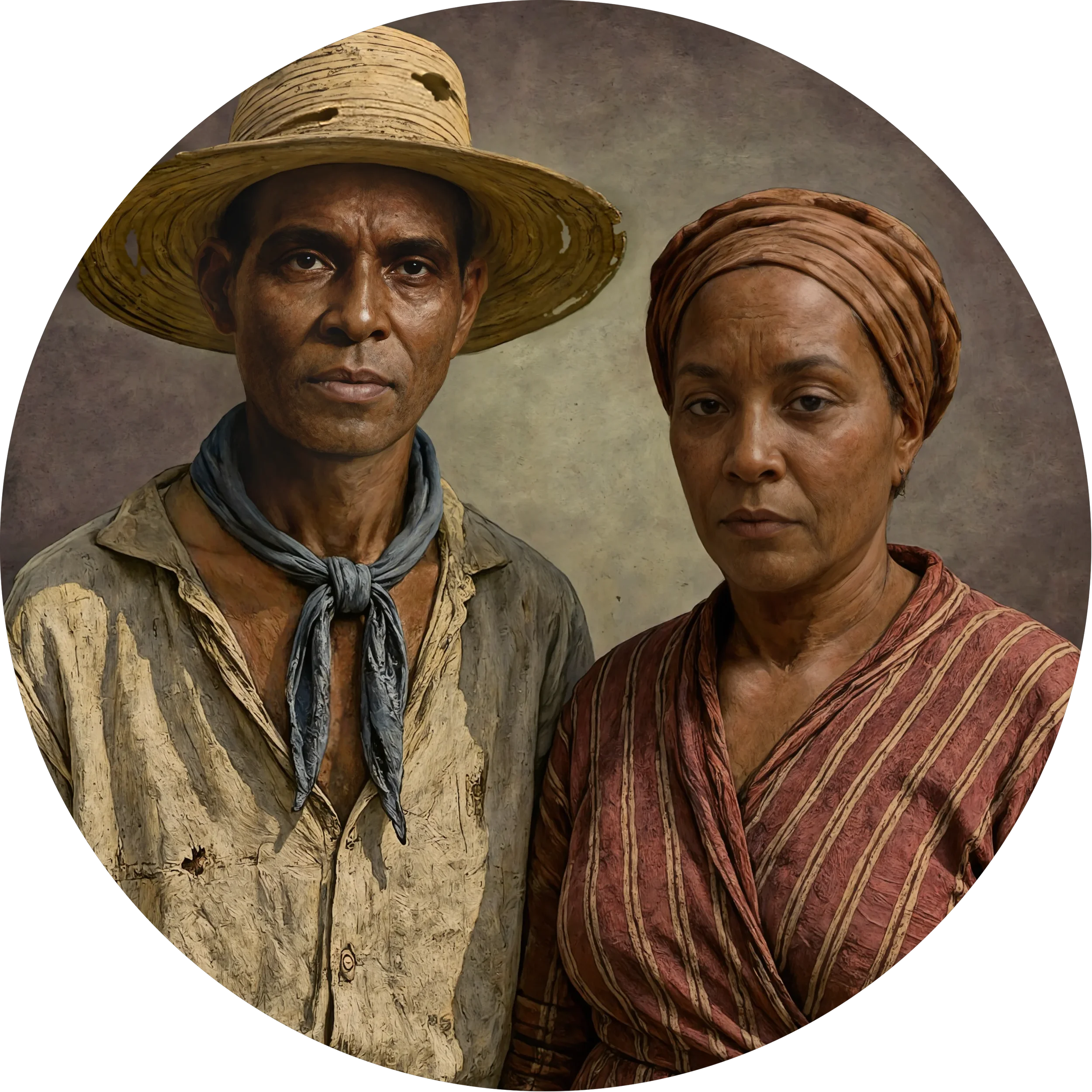
Myrtilla & Boatswain Seamstress & Ditcher
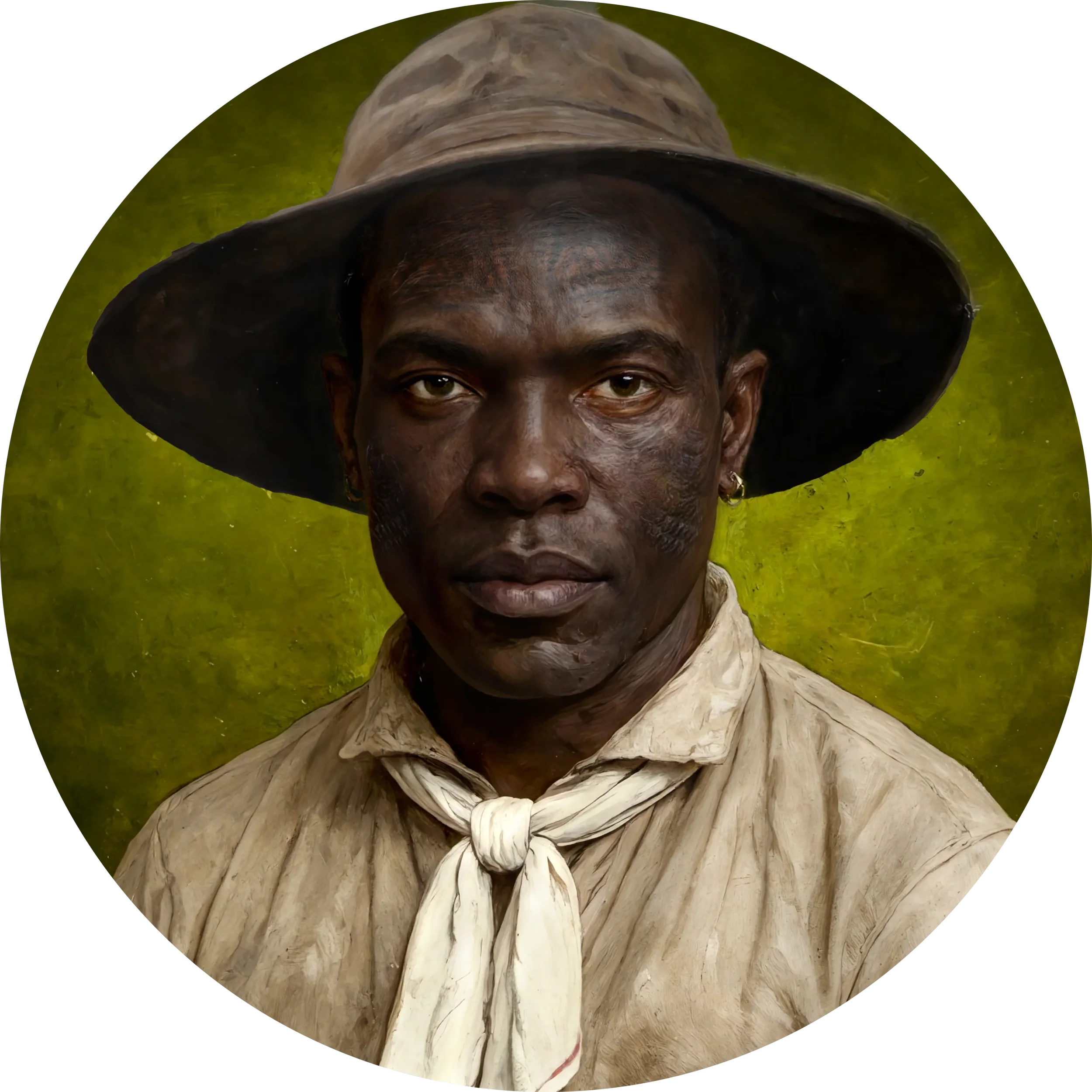
Sambo Anderson, Carpenter
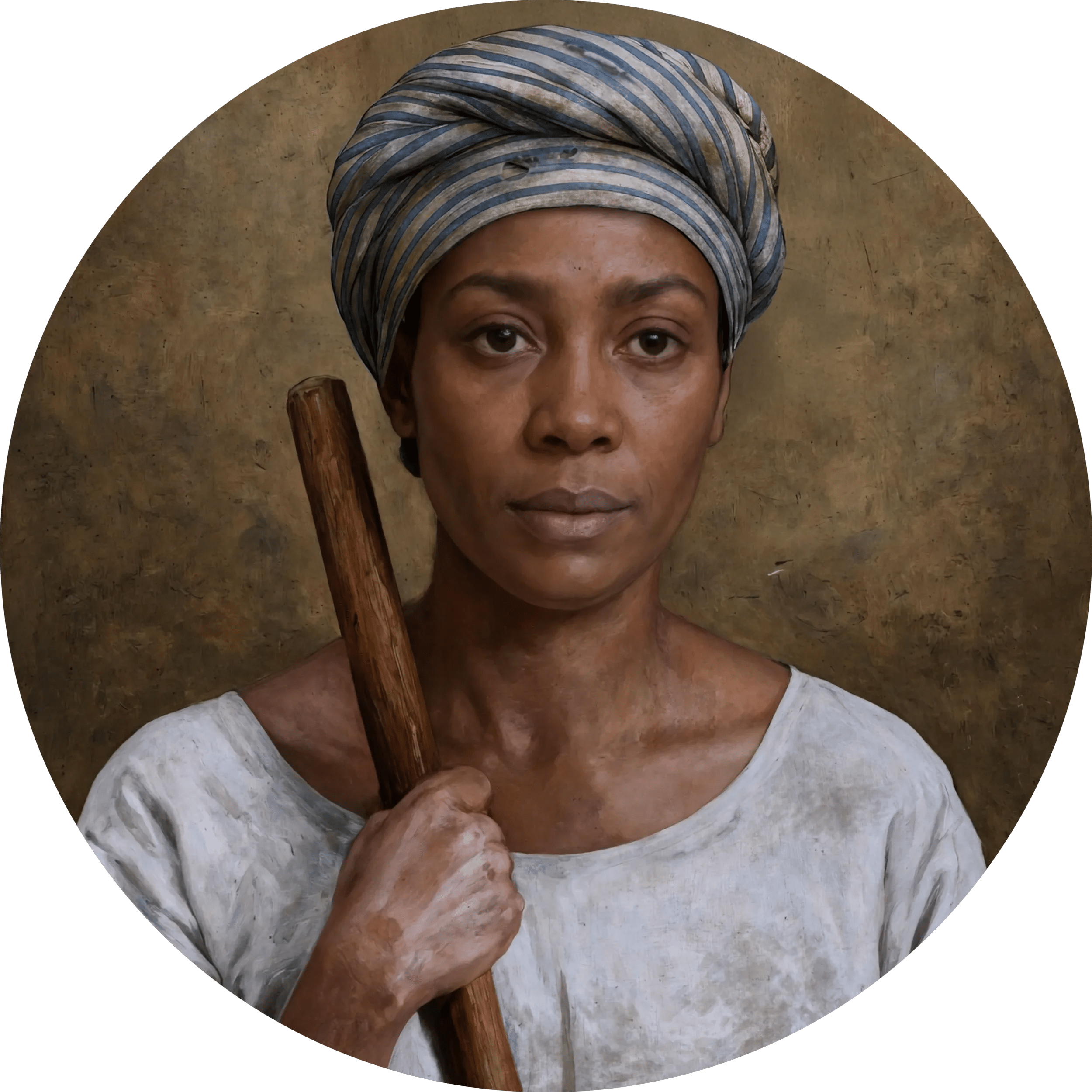
Sucky Bay, Field Worker
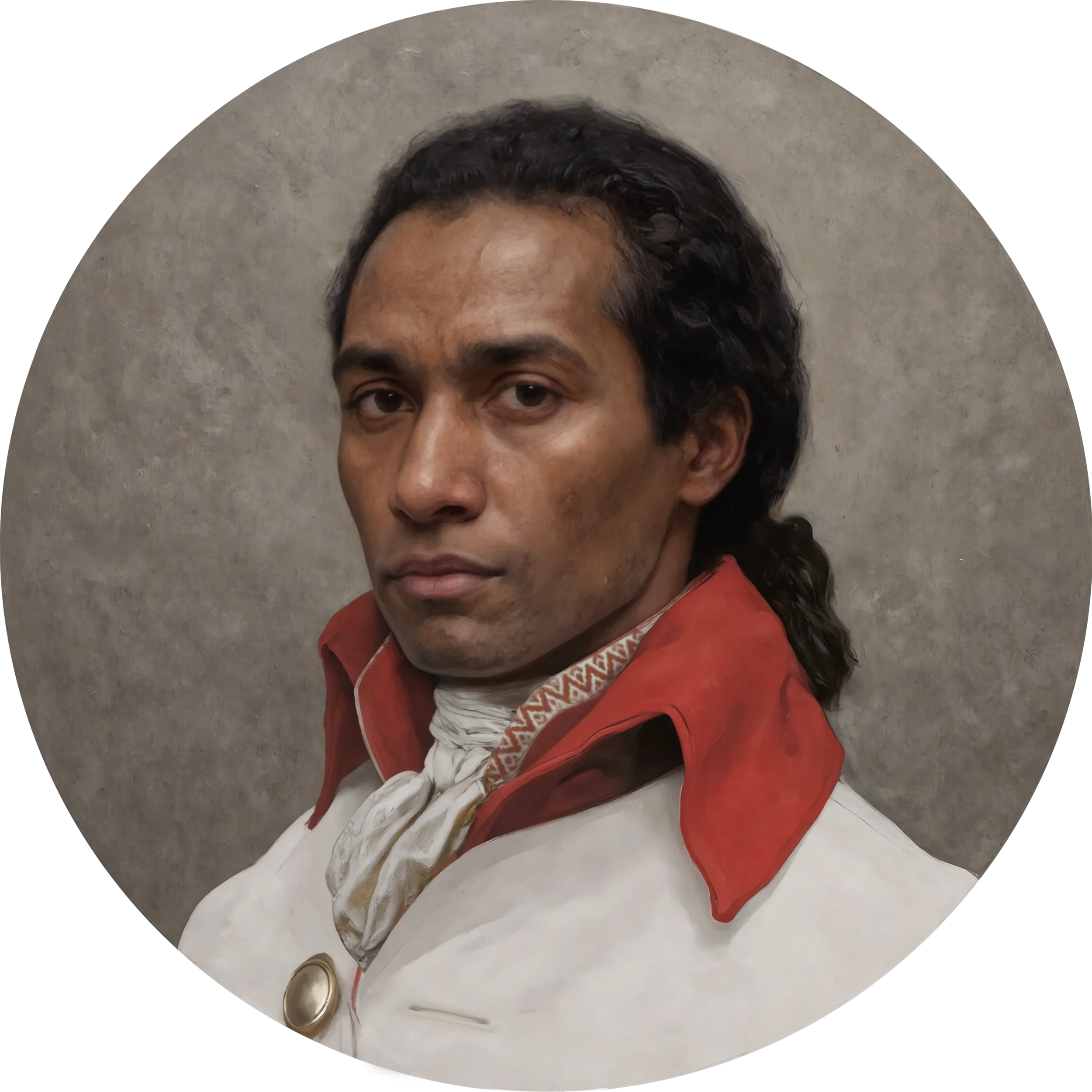
William Lee, Manservant
About the Portraits
The portraits featured on this page are part of Faces of Mount Vernon's Enslaved Community, an initiative by George Washington's Mount Vernon to create historically informed visual representations of people whose images were never recorded or have been lost to history.
Developed in collaboration with descendants of Mount Vernon's enslaved community, historians, researchers, and digital artists at Solid Light, the portraits combine historical documentation, family photographs, descendant input, period material culture research, photography, and AI-assisted digital reconstruction. Each portrait underwent multiple rounds of review to ensure it reflected both the historical record and the perspectives of descendant families.
While these images are not contemporaneous portraits, they represent a careful and collaborative effort to honor the humanity, individuality, and lived experiences of the people whose labor helped shape Mount Vernon and early America.